Incinerator Suppliers in Australia: How to Source a Reliable Waste Incinerator for Remote Sites, Healthcare, and Industrial Projects

Incinerator Suppliers in Australia: How to Source a Reliable Waste Incinerator for Remote Sites, Healthcare, and Industrial Projects


Australia’s waste management market is highly professional, yet many operations still require on-site incineration for specific waste streams and remote working conditions. From mining camps in Western Australia to regional hospitals, island logistics, agricultural biosecurity needs, and temporary infrastructure projects, the demand for stable, high-performance incineration systems continues to grow.

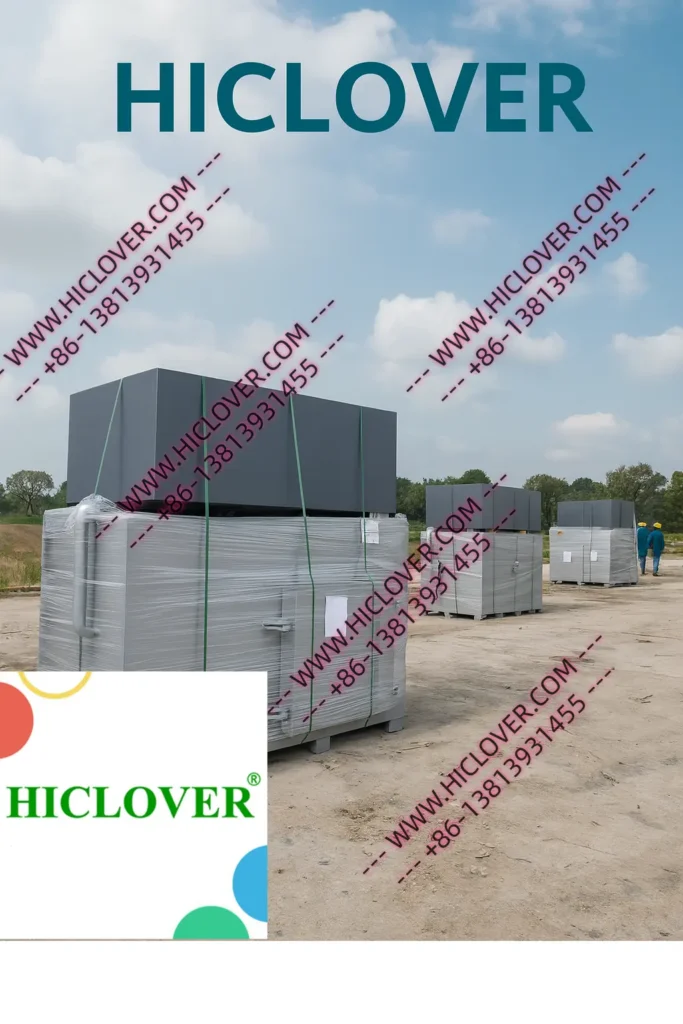
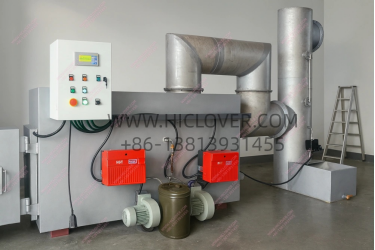
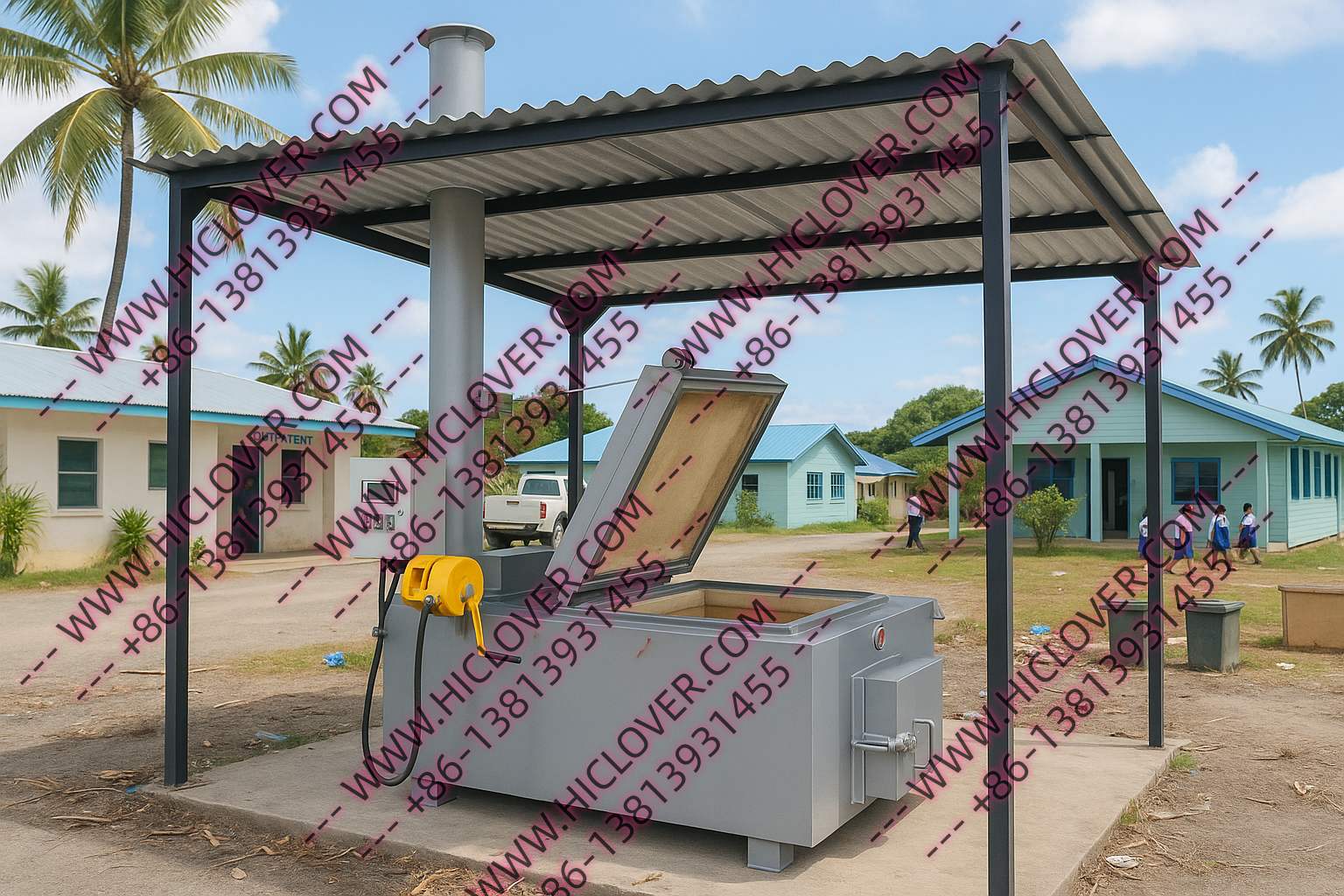
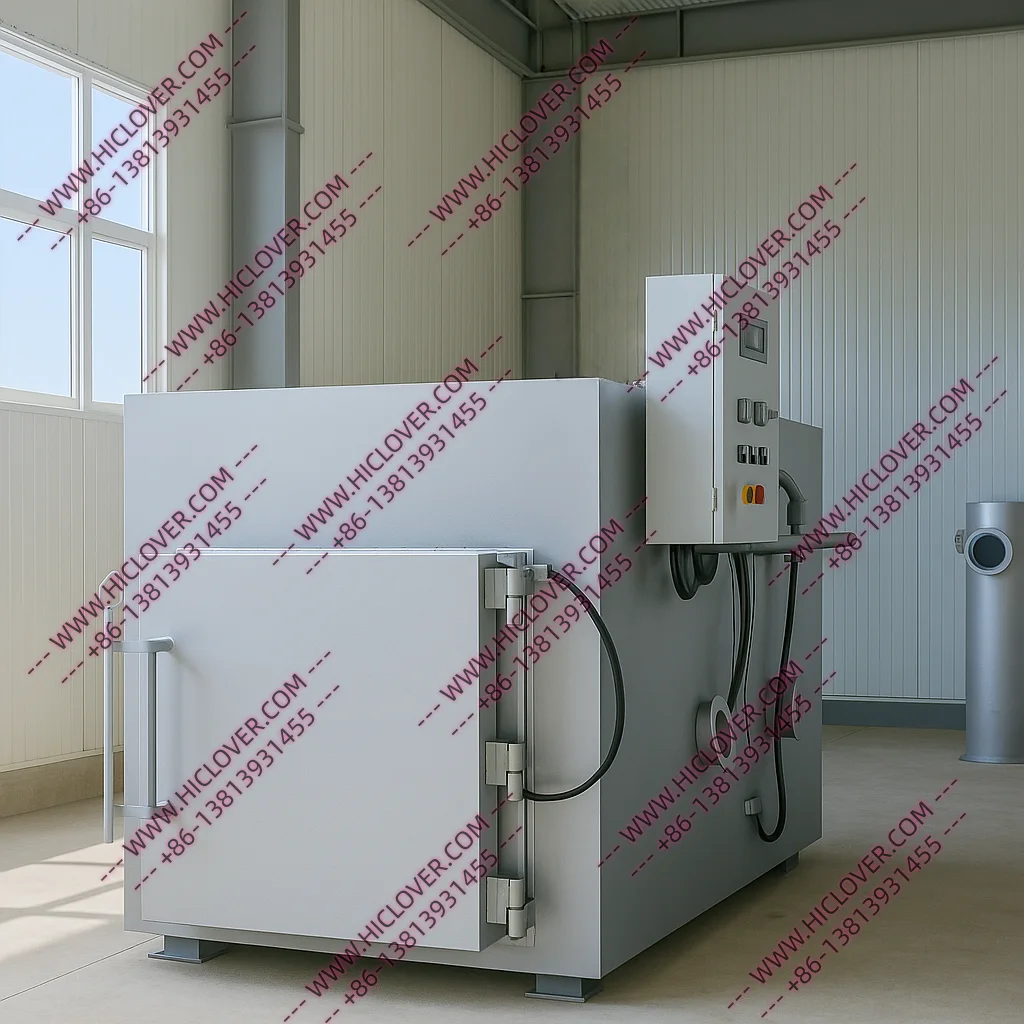
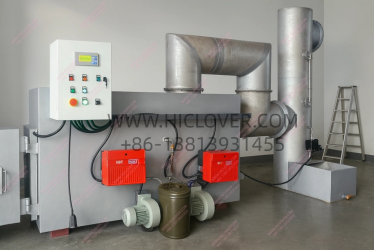
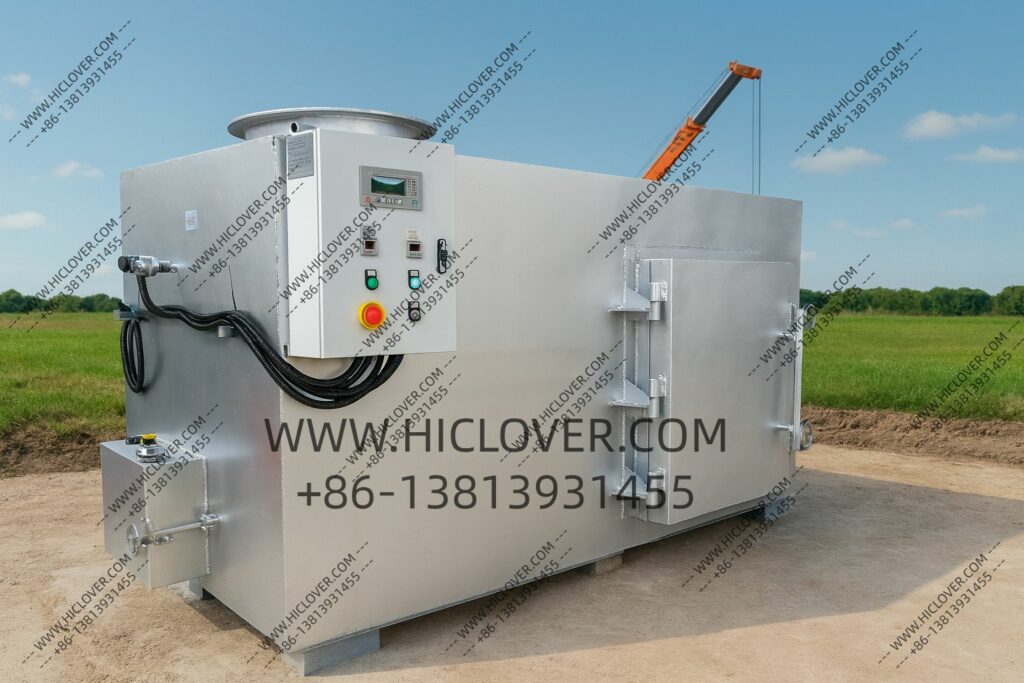
For buyers searching incinerator suppliers in Australia, the real priority is finding a waste incinerator that can perform consistently in demanding field environments: long duty cycles, variable waste loads, limited staffing at remote sites, and high expectations on operational safety. Increasingly, procurement teams are also looking for mobile and modular systems that reduce installation time and shorten the path from delivery to daily operation.

This article highlights what matters most when evaluating waste incinerator suppliers for Australia and how factory-direct manufacturers like HICLOVER provide export-ready solutions designed for stability, automation, and fast deployment.


Why Australia Still Needs On-Site Waste Incinerators

Even with modern regional waste facilities, many Australian sites require controlled disposal at the point of waste generation. Waste incinerators are commonly used for:

  • Medical waste incinerators for regional hospitals, clinics, and laboratories

  • Mining camp waste disposal in remote areas with limited transport access

  • Construction and infrastructure projects needing temporary site sanitation solutions

  • Agricultural and animal waste incineration for biosecurity and disease control

  • Emergency response and disaster recovery operations where rapid waste control is essential

  • Industrial operations and logistics zones needing controlled waste reduction

Because many operations are far from centralized disposal services, on-site incineration becomes a practical and cost-controlled strategy.


What Buyers Should Look For in Incinerator Suppliers in Australia

When comparing incinerator suppliers in Australia, a buyer should focus on long-term operating stability rather than basic purchase price. The best supplier is one that understands real worksite conditions and supports reliable daily performance.

1) Combustion stability for mixed waste and long duty cycles

A waste incinerator used in remote Australian sites must handle variable waste composition while maintaining stable high-temperature operation.

Practical evaluation points include:

  • Strong refractory lining and heat retention

  • Efficient combustion chamber structure

  • Reliable ignition and burner performance

  • Predictable ash handling and residue control

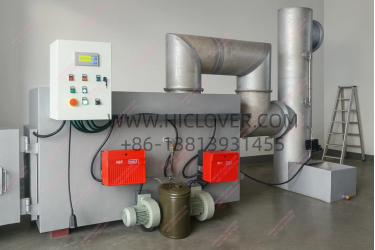
2) Dual-chamber incineration for cleaner burnout and reduced odor

For medical waste and odor-sensitive operations, dual-chamber incinerators provide a practical improvement over basic single-stage designs.

A dual-chamber waste incinerator supports:

  • More complete oxidation of flue gases

  • Reduced odor output and improved burnout quality

  • Better combustion stability across varying waste loads

  • Improved readiness for optional filtration or scrubbing modules

3) PLC automation to reduce operator pressure

Remote operations often face staffing limitations and frequent rotation. PLC automation improves repeatability and safety by reducing reliance on manual control.

Automation options can support:

  • Simplified operating steps

  • Stable temperature management

  • System alarms and safety interlocks

  • More consistent daily operation outcomes

4) Mobile and modular deployment for faster commissioning

In Australia, time-to-operation can strongly impact project cost. Mobile and modular solutions help reduce installation time and minimize dependence on specialized on-site labor.


HICLOVER: Factory-Based Waste Incinerator Manufacturer for Australia Projects

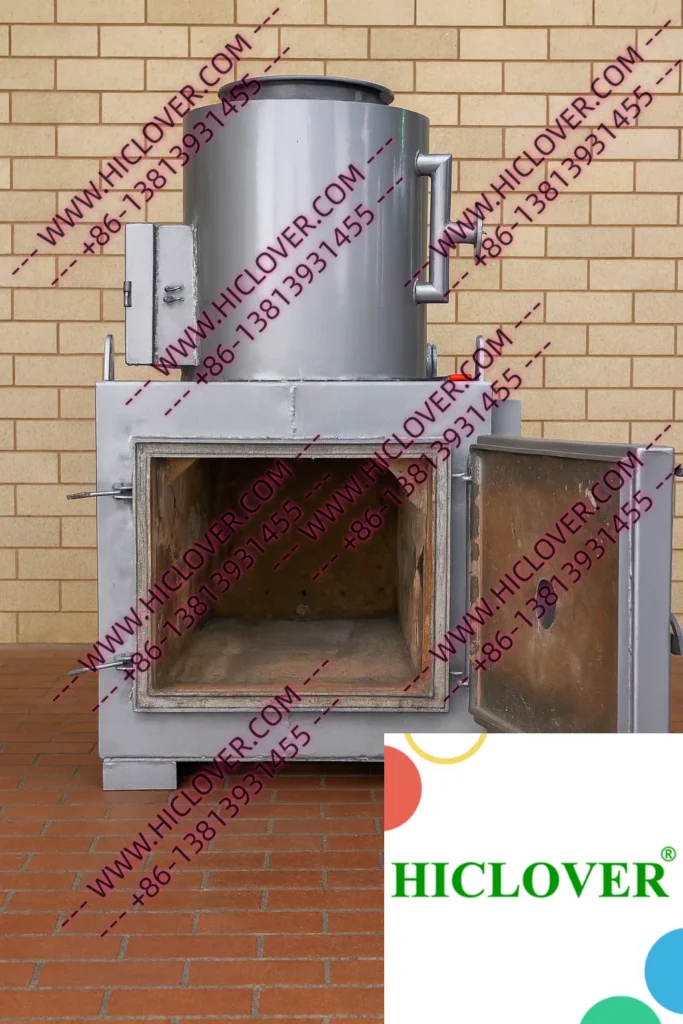
HICLOVER is a factory manufacturer specializing in export-grade waste incinerators for medical waste, animal remains, and mixed solid waste. For Australia buyers, HICLOVER provides a practical balance of performance stability, automation readiness, and modular deployment capability.

HICLOVER waste incinerators are widely suitable for:

  • Regional hospitals and clinical waste disposal

  • Mining camps and remote industrial operations

  • Agricultural and animal waste biosecurity disposal

  • Infrastructure construction camps and temporary sanitation sites

  • Institutional and project-based waste reduction programs

Official website: https://www.hiclover.com/


Why Factory Supply Is a Strong Advantage for Australia Buyers

When searching incinerator suppliers in Australia, buyers often see distributors, agents, and mixed sourcing channels. However, working with a factory manufacturer provides a clear advantage when long-term reliability is the real goal.

Factory-direct supply helps ensure:

  • Consistent production quality and inspection control

  • Direct engineering support for configuration matching

  • Clear documentation and technical communication

  • Predictable export lead times and delivery readiness

  • Better spare parts planning and long-term support capability

For remote projects, this consistency can be the difference between stable operation and repeated site intervention.


Mobile and Plug-and-Play Waste Incinerators for Remote Australia

Australia’s remote work environments make mobile and plug-and-play systems particularly valuable. Mining corridors, desert project areas, and regional infrastructure sites often require equipment that can be deployed quickly and operated reliably without major construction work.

HICLOVER supports modular solutions such as:

  • Mobile waste incinerators for relocation between sites

  • Containerized plug-and-play incinerators designed for export delivery and faster commissioning

  • Factory-integrated assembly to reduce on-site installation workload

  • Practical layouts for remote maintenance and stable daily operation

This approach matches global procurement trends where buyers prefer equipment delivered as an operational module—ready to run with minimal delays.


Common Australian Use Cases for Waste Incinerators

A reliable supplier should guide selection based on site category and waste type:

1) Medical waste incinerator (hospitals and clinics)
Designed for infectious waste destruction and daily safe disposal needs.

2) Mining camp waste incinerator (remote operations)
Designed for stable long duty cycles where off-site disposal is not practical.

3) Agricultural biosecurity incinerator (animal waste disposal)
Designed for disease-control disposal and controlled handling of sensitive materials.

4) Mobile and modular incinerator (temporary infrastructure projects)
Designed for faster deployment, relocation, and reduced installation effort.


Procurement Trends Influencing Australia Waste Disposal Decisions

Modern procurement is increasingly shaped by safety, operational resilience, and sustainable management requirements. In Australia, buyers often prioritize:

  • Stronger biosecurity and contamination control planning

  • Higher expectations on operational safety and repeatability

  • ESG-driven waste reduction and controlled disposal strategies

  • Faster deployment needs for remote projects and temporary programs

  • Automation and labor efficiency improvements at remote sites

These trends make it increasingly important to choose suppliers with stable engineering, automation options, and modular system flexibility.


Search for Incinerator Suppliers in Australia

https://www.google.com/search?q=incinerator+suppliers+in+Australia


Source a Waste Incinerator That Performs Long After Commissioning

A waste incinerator is only valuable if it runs reliably after months and years of use. For buyers comparing incinerator suppliers in Australia, the safest strategy is to select a manufacturer with proven export experience, stable combustion design, and modular deployment options.

HICLOVER supports Australia projects with:

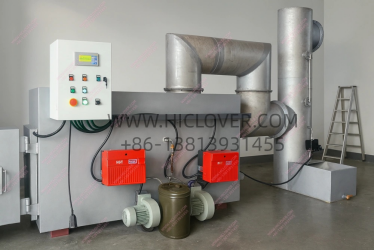
  • Dual-chamber waste incinerator systems for cleaner burnout

  • PLC automation options for safer and consistent operation

  • Mobile and containerized plug-and-play configurations

  • Factory-direct production and export-ready delivery support

Website: https://www.hiclover.com/


Résumé en Français (Bref)

Pour trouver des incinerator suppliers in Australia, il est conseillé de choisir un fabricant capable de fournir un waste incinerator fiable, à double chambre, avec options PLC et configurations mobiles ou conteneurisées “plug-and-play”. HICLOVER propose des solutions adaptées aux hôpitaux, aux mines et aux projets éloignés.
Site : https://www.hiclover.com/


Resumen en Español (Breve)

Si busca incinerator suppliers in Australia, lo ideal es trabajar con un fabricante que ofrezca un waste incinerator estable, de doble cámara, con automatización PLC y opciones móviles o contenedorizadas tipo “plug-and-play”. HICLOVER brinda soluciones para hospitales, minería y proyectos remotos.
Web: https://www.hiclover.com/

Mobile: +86-13813931455(WhatsApp)

Email:     [email protected]     
Email:     [email protected] 


2026-01-20/15:56:31

Incinerator Suppliers in Comoros: Selecting a Reliable Waste Incinerator for Islands, Hospitals, and Remote Sites

Incinerator Suppliers in Comoros: Selecting a Reliable Waste Incinerator for Islands, Hospitals, and Remote Sites

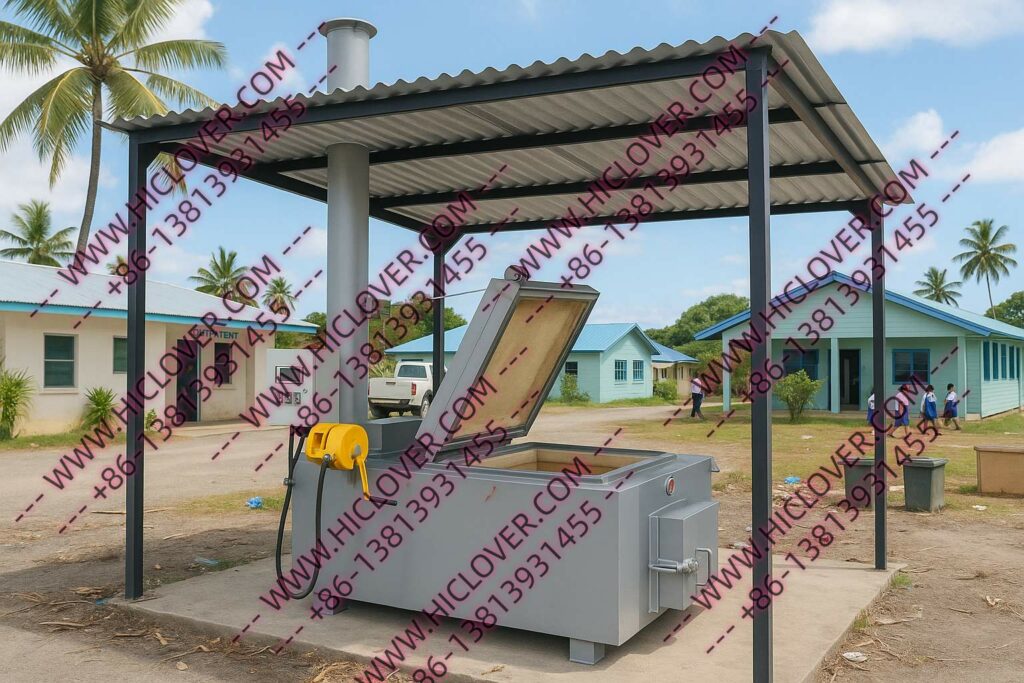
As island nations strengthen public health systems and environmental protection, Comoros is facing a clear challenge: how to handle growing volumes of mixed municipal waste, healthcare waste, and special waste streams in a safe, controlled, and space-efficient way. For many projects, a properly engineered waste incinerator remains one of the most practical solutions—especially where landfill capacity is limited, transport is costly, and fast implementation matters.

If you are comparing incinerator suppliers in Comoros, it is important to focus on long-term operational reliability, stable combustion performance, and a supplier’s ability to provide export-ready systems that can be deployed quickly on real sites.


Why Comoros Needs Practical, Export-Ready Waste Incinerator Solutions

Comoros has unique requirements compared with mainland countries:

  • Limited land availability makes waste accumulation a critical issue

  • Inter-island logistics require compact, container-friendly equipment

  • Healthcare and clinic waste needs biosecure disposal

  • Humid, coastal environments demand durable structures and reliable burners

  • Projects often rely on contractors, NGOs, or government funding, where documentation and supplier accountability matter

With these conditions, a waste incinerator that is modular, easy to install, and easy to maintain becomes a strong fit for hospitals, municipalities, resorts, and remote communities.


What to Expect From Incinerator Suppliers in Comoros

A supplier suitable for Comoros projects should deliver more than a basic burning chamber. A modern incinerator is a complete system: combustion, safety, automation, and optional emission-control stages designed to support cleaner operation.

1) Dual-Chamber Combustion for Cleaner Burn-Out

For medical waste, mixed municipal waste, and high-moisture waste fractions, a dual-chamber layout is essential:

  • Primary combustion chamber: direct waste burning

  • Secondary combustion chamber: oxidation of smoke and unburned gases

This improves burn stability and helps reduce visible smoke and odor—important for island communities, tourism zones, and hospital locations.

2) Automation and PLC Control for Safer Operation

Many sites in Comoros need equipment that can be operated safely without heavy technical staffing. That is where automation adds real value.

HICLOVER incinerators can be configured with:

  • PLC automatic control (optional)

  • Temperature monitoring and recorder (optional)

  • Burner safety sequence control for reliable ignition and stable combustion

  • Simple operator workflow for day-to-day operation

This supports consistent performance and lowers the risk of operator error.

3) Fuel Flexibility for Island Supply Conditions

Fuel strategy is a practical concern. A good waste incinerator supplier should offer solutions matching local fuel availability.

Typical options:

  • Diesel (standard, widely accessible)

  • Natural gas (where supply exists)

  • LPG (cylinder-based, suitable for remote areas and islands)

For certain projects, dual-fuel concepts can be evaluated to improve supply resilience.


HICLOVER Waste Incinerator Manufacturer: Factory-Direct Support for Comoros Projects

HICLOVER is a waste incinerator manufacturer with broad export experience, offering a range of systems for medical, municipal, industrial, and special waste disposal.

Key application areas include:

  • Hospitals, clinics, and healthcare facilities

  • Municipal sanitation and small city waste projects

  • Resort islands and tourism infrastructure

  • Remote communities and emergency response locations

  • Veterinary waste and animal remains disposal

HICLOVER solutions emphasize durability, stable combustion, and modular deployment—important priorities for island environments.

Official site and product center:
https://www.hiclover.com/
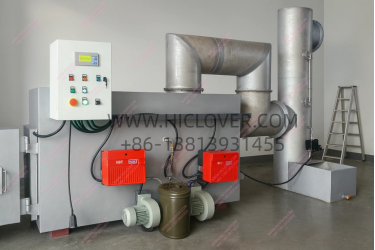

Containerized and Mobile Incinerators: Built for Rapid Deployment in Coastal and Island Regions

Comoros projects often benefit from equipment designed around shipping and installation efficiency. Traditional fixed construction can be slow and costly—especially when materials and labor coordination are limited.

HICLOVER provides optional configurations such as:

  • Containerized mobile incinerators (ready for export, fast on-site deployment)

  • Modular structure, reduced installation work

  • Skid-based solutions for simplified foundation requirements

  • Practical layout for transport and commissioning

This matches today’s global trend of modular infrastructure, where projects aim for quicker implementation, predictable delivery schedules, and repeatable performance.


Emission Control Options for Better Community Acceptance

On islands, emissions control is not only a compliance topic—it is directly linked to public acceptance and long-term operational continuity.

Depending on the waste type and local expectations, the following can be considered:

  • Dry scrubber (acid gas neutralization, reliable and economical)

  • Wet scrubber system (spray scrubber for dust and soluble gas reduction)

  • Baghouse dust filter (fine particulate control)

  • Activated carbon adsorption/injection (odor control and advanced purification)

For Comoros, selecting the right configuration helps ensure cleaner operation near hospitals, residential zones, and tourism-related areas.


How to Select the Right Waste Incinerator Capacity in Comoros

Capacity planning should match how waste is generated and collected. Common buyer profiles include:

  • Small clinics / health posts: compact batch incinerators

  • Regional hospitals: medium capacity with secondary chamber and automation

  • Municipal waste pilots: larger incinerators with optional filtration stages

  • Resorts and island facilities: clean-burning units focused on odor and smoke control

HICLOVER can recommend suitable models based on waste composition (plastics, textiles, organics, packaging), daily volume, and available fuel type.


Why Factory-Direct Supplier Advantage Matters for Comoros Procurement

When sourcing from true manufacturers rather than intermediaries, Comoros buyers gain key project advantages:

  • Clear equipment configuration and scope control

  • Stable quality and consistent production standards

  • Faster spare parts matching and technical support

  • Export packaging and container loading experience

  • Better technical documentation for tenders and approvals

For NGO projects, government procurement, and contractor-led deployments, factory accountability reduces risk and improves delivery certainty.


BING Search: incinerator+suppliers+in+Comoros


Conclusion: A Waste Incinerator in Comoros Should Be Clean, Reliable, and Easy to Deploy

Comoros needs waste disposal solutions that respect limited land resources and support public health, sanitation, and sustainable infrastructure. A well-engineered waste incinerator provides controlled disposal, volume reduction, and improved biosecurity—especially for healthcare waste and mixed municipal waste streams.

If you are evaluating incinerator suppliers in Comoros, HICLOVER offers factory-direct systems with dual-chamber combustion, optional PLC automation, and containerized modular solutions designed for fast deployment and stable performance.

Learn more and request a project quotation:
https://www.hiclover.com/

Résumé (Français)

Aux Comores, un incinérateur de déchets doit être fiable, facile à installer et adapté aux conditions insulaires. HICLOVER propose des incinérateurs industriels à double chambre, avec options PLC et solutions mobiles en conteneur, adaptés aux hôpitaux, municipalités et sites isolés.

Resumen (Español)

En Comoras, un incinerador de residuos debe ser estable, seguro y de rápida instalación. Al comparar proveedores de incineradores en Comoros, HICLOVER ofrece sistemas industriales con doble cámara, automatización opcional y soluciones modulares en contenedor para proyectos médicos, municipales y remotos.

Mobile: +86-13813931455(WhatsApp)

Email:     [email protected]     
Email:     [email protected] 


2026-01-13/17:41:54

Mauritius Waste Incinerator Market Report

Mauritius Waste Incinerator Market Report

Focus on Port Louis, Curepipe, Quatre Bornes, Vacoas-Phoenix, Rose Hill

1. National background: why incineration is a strategic topic in Mauritius

Mauritius is a small island developing state (SIDS) with limited land availability, high population density in urban corridors, and strong dependence on imported goods, tourism, and healthcare services. These structural characteristics make waste management a policy-sensitive and highly regulated sector.

Waste generation is concentrated around:

  • Port Louis – capital city, main port, government institutions, hospitals

  • Curepipe, Quatre Bornes, Vacoas-Phoenix, Rose Hill – urban and peri-urban centers with dense residential, healthcare, and commercial activities

Because landfill capacity is finite and public acceptance of new disposal sites is low, Mauritius increasingly treats incineration as a controlled, targeted solution for specific waste categories rather than bulk municipal waste.


2. Core characteristics of the Mauritius incinerator market

A. Land scarcity drives controlled treatment
Unlike large continental countries, Mauritius cannot rely on expanding landfill footprints. This pushes decision-makers to favor:

  • volume reduction technologies,

  • secure destruction of sensitive waste,

  • compact equipment with predictable performance.

B. High regulatory and reputational sensitivity
Mauritius places strong emphasis on:

  • environmental protection,

  • tourism image,

  • coastal and marine safety.

As a result, incineration projects are typically:

  • carefully scoped,

  • limited to medical, institutional, and special waste,

  • paired with defined emission-control strategies.

C. Preference for compact, engineered systems
Buyers in Mauritius generally avoid oversized or experimental installations. They favor:

  • small to medium-capacity incinerators,

  • modular designs,

  • proven combustion technology with documented track records.


3. City-level demand analysis

Port Louis – Institutional and healthcare waste hub

As the administrative and healthcare center of Mauritius, Port Louis hosts:

  • major public hospitals,

  • private clinics,

  • laboratories,

  • government facilities.

Incinerators in Port Louis are primarily evaluated for:

  • infectious medical waste,

  • pharmaceutical destruction,

  • secure disposal of sensitive institutional materials.

Here, dual-chamber medical waste incinerators with stable secondary combustion and optional gas treatment are typically preferred.

Curepipe, Quatre Bornes, Rose Hill – Urban healthcare clusters

These cities form a dense urban belt with clinics, diagnostic centers, and elder-care facilities. Waste volumes are moderate but continuous, making compact top-loading incinerators attractive for:

  • daily healthcare waste,

  • institutional back-up systems,

  • shared facilities serving multiple clinics.

Vacoas-Phoenix – Training, administration, and public services

In Vacoas-Phoenix, incineration demand is often linked to:

  • public sector institutions,

  • training facilities,

  • centralized service compounds.

Reliability and ease of operation tend to outweigh high automation.


4. Role of the United Nations and international institutions

Although Mauritius has a relatively advanced governance framework, United Nations agencies and international organizations continue to play an influential role, particularly in:

  • healthcare system strengthening,

  • environmental governance,

  • climate resilience and waste reduction strategies.

Projects aligned with UNDP, WHO, and other UN-related frameworks emphasize:

  • safe healthcare waste destruction,

  • operator safety and training,

  • compliance documentation and traceability.

This creates a procurement environment that favors conservative engineering, clear manuals, and long-term serviceability.


5. Market demand trends in Mauritius

  1. Healthcare waste incineration remains the most stable and defensible segment.

  2. Compact, low-footprint incinerators are favored due to land constraints.

  3. Emission control options increasingly influence purchasing decisions, especially near populated areas.

  4. Buyers show growing interest in containerized or semi-containerized systems that simplify installation and relocation.


6. Product–market fit: positioning HICLOVER in Mauritius

HICLOVER incinerators are well aligned with Mauritius’ technical and regulatory expectations:

  • Medical waste incinerators for hospitals and clinics
    Suitable for healthcare facilities in Port Louis, Curepipe, and Quatre Bornes.
    Reference: Medical Waste Incinerator Systems

  • Top-loading incinerators for mixed institutional waste
    Efficient for bagged waste with minimal pre-treatment.
    Reference: Top-Loading Waste Incinerators

  • Containerized and modular incinerator solutions
    Appropriate where installation space is limited or future relocation is anticipated.
    Reference: Containerized Mobile Incinerators

  • Optional wet scrubber and flue-gas treatment systems
    Relevant for urban or environmentally sensitive areas of Mauritius.
    Reference: Incinerator with Wet Scrubber System

Key advantage in Mauritius:
HICLOVER emphasizes compact footprint, stable combustion, modular configuration, and documented performance, which directly address the island nation’s land, regulatory, and reputational constraints.


7. Strategic theme highlight: “Island-safe and regulation-ready incineration”

A strong positioning theme for Mauritius is “island-safe incineration”:

  • minimal land use,

  • controlled emissions,

  • compatibility with healthcare and institutional needs,

  • alignment with UN-influenced governance standards.

This theme resonates across Port Louis, Curepipe, Rose Hill, and the broader urban corridor where environmental and public perception considerations are critical.


Résumé en français (bref)

À l’île Maurice, l’incinération est principalement utilisée pour les déchets médicaux et institutionnels, notamment à Port Louis, Curepipe, Quatre Bornes, Vacoas-Phoenix et Rose Hill. La rareté des terrains, la sensibilité environnementale et l’influence des cadres des Nations Unies favorisent des solutions compactes, fiables et bien documentées. Les incinérateurs HICLOVER, avec chargement par le haut, configurations modulaires et options de traitement des fumées, s’intègrent efficacement aux exigences réglementaires et opérationnelles spécifiques de Maurice.

Mobile: +86-13813931455(WhatsApp)

Email:     [email protected]     
Email:     [email protected] 


2025-12-13/18:25:11

Incinerator Items/Model

HICLOVER TS100(PLC)


Burn Rate (Average)

100kg/hour

Feed Capacity(Average)

150kg/feeding

Control Mode

PLC Automatic

Intelligent Sensor

Continuously Feeding with Worker Protection

High Temperature Retention(HTR)

Yes (Adjustable)

Intelligent Save Fuel Function

Yes

Primary Combustion Chamber

1200Liters(1.2m3)

Internal Dimensions

120x100x100cm

Secondary Chamber

600L

Smoke Filter Chamber

Yes

Feed Mode

Manual

Burner Type

Italy Brand

Temperature Monitor

Yes

Temperature Thermometer

Corundum Probe Tube, 1400℃Rate.

Temperature Protection

Yes

Automatic Cooling

Yes

Automatic False Alarm

Yes

Automatic Protection Operator(APO)

Yes

Time Setting

Yes

Progress Display Bar

3.7 in” LCD Screen

Oil Tank

200L

Chimney Type

 Stainless Steel 304

1st. Chamber Temperature

800℃–1000℃

2nd. Chamber Temperature

1000℃-1300℃

Residency Time

2.0 Sec.

Gross Weight

7000kg

External Dimensions

270x170x190cm(Incinerator Main Body)

Burner operation

Automatic On/Off

Dry Scrubber

Optional

Wet Scrubber

Optional

Top Loading Door

Optional

Asbestos Mercury Material

None

Heat Heart Technology(HHT)

Optional

Dual Fuel Type(Oil&Gas)

Optional

Dual Control Mode(Manual/Automatic)

Optional

Temperature Record

Optional

Enhanced Temperature Thermometer

Optional

Incinerator Operator PPE Kits

Optional

Backup Spare Parts Kits

Optional

Mobile Type

Optional:Containerized/Trailer/Sledge Optional

Mauritania Waste Incinerator Market Report

Mauritania Waste Incinerator Market Report

Focus on Nouakchott, Nouadhibou, Rosso, Atar, Kiffa

1. National context: why incineration matters in Mauritania

Mauritania combines vast desert territory, low population density, and highly concentrated urban and industrial activity. Most waste generation is not evenly distributed but clustered around:

  • Nouakchott, the capital and largest city, where municipal solid waste, healthcare waste, and institutional waste are concentrated

  • Nouadhibou, the country’s main port and fisheries hub, with industrial, port, and camp-related waste

  • Inland cities such as Rosso, Kiffa, and Atar, which act as regional service centers with hospitals, administrative facilities, and periodic humanitarian operations

In this environment, large centralized landfills or advanced recycling systems are difficult to sustain. As a result, controlled incineration—especially small to medium-scale, deployable systems—has become a practical solution for specific waste streams rather than a universal disposal method.


2. Key characteristics of the Mauritanian incinerator market

A. Geography-driven demand
Mauritania’s size and arid climate strongly influence waste strategies. Long-distance transport of waste is costly and unreliable. This favors on-site or near-site treatment, particularly in:

  • hospitals and clinics,

  • port and industrial compounds,

  • remote camps and institutional facilities.

B. Waste composition realities
In Nouakchott and Nouadhibou, waste streams are typically mixed: organic waste, plastics, contaminated packaging, fishery by-products, and limited but critical medical waste. Buyers therefore prefer incinerators that:

  • tolerate variable calorific value,

  • accept bagged or bulky waste,

  • do not require complex pre-sorting systems.

C. Operational simplicity over sophistication
Across Mauritania, buyers often prioritize:

  • mechanical robustness,

  • simple operator routines,

  • availability of diesel fuel,
    over advanced automation that is difficult to maintain locally.


3. Demand drivers by sector and city

Nouakchott – Municipal & healthcare pressure

As Mauritania’s political and healthcare center, Nouakchott hosts major hospitals, laboratories, ministries, and international agency offices. Waste incinerators are commonly evaluated for:

  • infectious healthcare waste,

  • institutional waste requiring secure destruction,

  • pilot municipal waste reduction projects.

Compact top-loading incinerators with secondary combustion chambers align well with these needs, especially when combined with basic flue-gas treatment.

Nouadhibou – Port, fisheries, and logistics

Nouadhibou generates specialized waste from fisheries, cold storage, ship services, and port logistics. Controlled incineration is often preferred for:

  • contaminated packaging,

  • spoiled organic waste unsuitable for dumping,

  • camp and workshop waste.

Here, containerized or skid-mounted incinerators are attractive due to limited land availability and the need for relocatable assets.

Interior cities – Rosso, Kiffa, Atar

Inland cities function as regional hubs with hospitals, military or security installations, and temporary camps. Waste volumes are moderate but sensitive. Incinerators in these areas are typically selected for:

  • medical waste destruction,

  • emergency response readiness,

  • long-term use with minimal infrastructure.


4. Role of the United Nations and international institutions

In Mauritania, United Nations agencies, international NGOs, and donor-funded programs play a decisive role in shaping demand and specifications. Their influence is visible in:

  • healthcare waste management projects,

  • refugee and migration-related operations,

  • climate resilience and environmental governance initiatives.

UN-linked procurement emphasizes:

  • safe destruction of infectious waste,

  • clear operational documentation,

  • training and after-sales support,
    rather than experimental or overly complex technology.

This environment favors proven incinerator designs with traceable performance and conservative engineering margins.


5. Market trends and outlook (2025–2028)

  1. Healthcare waste management will remain the strongest driver, particularly in Nouakchott and regional hospitals.

  2. Port and industrial waste in Nouadhibou is expected to grow with logistics and fisheries activity.

  3. Mobile and containerized solutions will gain preference due to flexibility and donor-funded project cycles.

  4. Environmental awareness is increasing, but buyers still expect practical compliance, not laboratory-level emission control.


6. Product–market fit: positioning HICLOVER in Mauritania

HICLOVER incinerators match Mauritania’s operational reality through several core strengths:

  • Top-loading incinerator design
    Suitable for mixed, bulky waste common in Nouakchott hospitals and Nouadhibou industrial sites.
    Reference: Top-Loading Waste Incinerator Solutions

  • Containerized and mobile configurations
    Ideal for ports, camps, and remote cities such as Atar or Kiffa, where permanent civil works are limited.
    Reference: Containerized Mobile Incinerators

  • Dedicated medical waste incinerators
    Designed for safe destruction of infectious waste, aligned with UN and NGO operational standards.
    Reference: Medical Waste Incinerator Systems

  • Optional flue-gas treatment systems
    Wet scrubbers can be integrated when projects in Nouakchott or donor-backed facilities require higher environmental control.
    Reference: Incinerator with Wet Scrubber System

Core advantage in Mauritania:
HICLOVER systems emphasize durability, fuel flexibility (diesel), and ease of operation, which are decisive factors across Mauritania’s urban and remote environments.


7. Strategic theme highlight: “Desert-ready waste destruction”

A compelling positioning theme for Mauritania is “desert-ready incineration”:

  • engineered for heat, dust, and distance,

  • deployable without complex infrastructure,

  • reliable for healthcare, port, and institutional waste.

This theme resonates strongly in Nouakchott, Nouadhibou, and interior regions where environmental conditions shape every procurement decision.


Résumé en français (bref)

En Mauritanie, la demande d’incinérateurs se concentre à Nouakchott (déchets hospitaliers et institutionnels), Nouadhibou (ports et activités industrielles), ainsi que dans des villes régionales comme Rosso, Kiffa et Atar. Les projets soutenus par les Nations Unies et les ONG privilégient des solutions robustes, simples à exploiter, souvent containerisées ou mobiles. Les incinérateurs HICLOVER, avec chargement par le haut, options mobiles et systèmes de traitement des fumées, répondent efficacement aux contraintes opérationnelles et climatiques spécifiques de la Mauritanie.

Mobile: +86-13813931455(WhatsApp)

Email:     [email protected]     
Email:     [email protected] 


2025-12-13/18:03:56

Incinerator Items/Model

HICLOVER TS100(PLC)


Burn Rate (Average)

100kg/hour

Feed Capacity(Average)

150kg/feeding

Control Mode

PLC Automatic

Intelligent Sensor

Continuously Feeding with Worker Protection

High Temperature Retention(HTR)

Yes (Adjustable)

Intelligent Save Fuel Function

Yes

Primary Combustion Chamber

1200Liters(1.2m3)

Internal Dimensions

120x100x100cm

Secondary Chamber

600L

Smoke Filter Chamber

Yes

Feed Mode

Manual

Burner Type

Italy Brand

Temperature Monitor

Yes

Temperature Thermometer

Corundum Probe Tube, 1400℃Rate.

Temperature Protection

Yes

Automatic Cooling

Yes

Automatic False Alarm

Yes

Automatic Protection Operator(APO)

Yes

Time Setting

Yes

Progress Display Bar

3.7 in” LCD Screen

Oil Tank

200L

Chimney Type

 Stainless Steel 304

1st. Chamber Temperature

800℃–1000℃

2nd. Chamber Temperature

1000℃-1300℃

Residency Time

2.0 Sec.

Gross Weight

7000kg

External Dimensions

270x170x190cm(Incinerator Main Body)

Burner operation

Automatic On/Off

Dry Scrubber

Optional

Wet Scrubber

Optional

Top Loading Door

Optional

Asbestos Mercury Material

None

Heat Heart Technology(HHT)

Optional

Dual Fuel Type(Oil&Gas)

Optional

Dual Control Mode(Manual/Automatic)

Optional

Temperature Record

Optional

Enhanced Temperature Thermometer

Optional

Incinerator Operator PPE Kits

Optional

Backup Spare Parts Kits

Optional

Mobile Type

Optional:Containerized/Trailer/Sledge Optional

Role of the UN and International Organizations in Market of Waste Incinerators

Role of the UN and International Organizations in 

Global Market Landscape of Small-Scale Medical Waste Incinerators


Global organizations have been instrumental in setting standards and supporting the use of small incinerators for waste management, particularly in developing countries and crisis situations. WHO guidelines on healthcare waste recommend high-performance incineration in settings without access to advanced alternatives. For example, WHO advises using dual-chamber medical incinerators with a secondary combustion stage at ≥1100 °C for at least 2 seconds to ensure complete destruction of infectious waste and toxic by-products[7]. In fact, only modern incinerators operating at 850–1100 °C with proper gas-cleaning equipment can meet international emission standards for hazardous pollutants like dioxins and furans[8]. To put guidance into action, WHO and UN partners have launched projects in Africa and Asia to deploy compliant incinerators in hospitals that previously lacked safe waste treatment. In post-conflict Sierra Leone and South Sudan, for instance, WHO helped install incinerators in district hospitals to immediately improve the handling of biomedical waste[9].

Other UN agencies like the United Nations Development Programme (UNDP) and UN Office for Project Services (UNOPS) have funded numerous healthcare waste management initiatives that include procuring incineration units meeting strict technical specs. In Tanzania, UNDP supported installation of hospital incinerators aligned with national environmental standards[10]. UNOPS in South Sudan put out tenders for containerized biohazard incinerators (capacities ~180–220 kg/hr) featuring dual chambers and scrubber systems to ensure safe disposal of laboratory and medical wastes[11]. Such equipment is typically required to carry internationally recognized certifications (e.g. CE marking) and to incorporate PLC automation, secondary burners, and emission controls to minimize smoke and odour[12].

UN peacekeeping and humanitarian operations have also recognized the importance of portable incinerators. In field missions (e.g. UN camps in Somalia or refugee settlements in the Middle East), UN teams use mobile incinerator units to maintain sanitation and biosecurity[13]. UNHCR (the UN Refugee Agency) frequently deploys incinerators in refugee camps to safely destroy medical waste and general refuse, preventing the spread of disease in crowded camp conditions[13]. International NGOs echo this approach – for example, Médecins Sans Frontières (MSF) has long used small-scale incinerators in its field hospitals to dispose of syringes, bandages, and contaminated materials[14]. In crisis settings with no existing waste facilities, MSF sets up a temporary waste management area and often installs an incinerator or high-temperature drum burner to handle the surge of medical waste[15]. These efforts by the UN and NGOs collectively underscore a crucial point: in the absence of centralized facilities, controlled incineration is often the most viable solution to manage dangerous waste safely on-site.

Mobile: +86-13813931455(WhatsApp)

Email:     [email protected]     
Email:     [email protected] 


2025-12-11/11:05:46

Incinerator Items/Model

HICLOVER TS100(PLC)


Burn Rate (Average)

100kg/hour

Feed Capacity(Average)

150kg/feeding

Control Mode

PLC Automatic

Intelligent Sensor

Continuously Feeding with Worker Protection

High Temperature Retention(HTR)

Yes (Adjustable)

Intelligent Save Fuel Function

Yes

Primary Combustion Chamber

1200Liters(1.2m3)

Internal Dimensions

120x100x100cm

Secondary Chamber

600L

Smoke Filter Chamber

Yes

Feed Mode

Manual

Burner Type

Italy Brand

Temperature Monitor

Yes

Temperature Thermometer

Corundum Probe Tube, 1400℃Rate.

Temperature Protection

Yes

Automatic Cooling

Yes

Automatic False Alarm

Yes

Automatic Protection Operator(APO)

Yes

Time Setting

Yes

Progress Display Bar

3.7 in” LCD Screen

Oil Tank

200L

Chimney Type

 Stainless Steel 304

1st. Chamber Temperature

800℃–1000℃

2nd. Chamber Temperature

1000℃-1300℃

Residency Time

2.0 Sec.

Gross Weight

7000kg

External Dimensions

270x170x190cm(Incinerator Main Body)

Burner operation

Automatic On/Off

Dry Scrubber

Optional

Wet Scrubber

Optional

Top Loading Door

Optional

Asbestos Mercury Material

None

Heat Heart Technology(HHT)

Optional

Dual Fuel Type(Oil&Gas)

Optional

Dual Control Mode(Manual/Automatic)

Optional

Temperature Record

Optional

Enhanced Temperature Thermometer

Optional

Incinerator Operator PPE Kits

Optional

Backup Spare Parts Kits

Optional

Mobile Type

Optional:Containerized/Trailer/Sledge Optional

Medical Waste Incinerators in the Republic of the Congo: Meeting Healthcare Growth with Practical Solutions

Medical Waste Incinerators in the Republic of the Congo: Meeting Healthcare Growth with Practical Solutions

The Republic of the Congo, particularly in its major cities such as Brazzaville and Pointe-Noire, is experiencing gradual improvements in healthcare infrastructure. New hospitals and private clinics have expanded access to medical services. However, with growth comes responsibility — and one challenge that often remains behind the scenes is the safe disposal of medical and hazardous waste.

Across the Republic of the Congo, many health facilities still rely on unsafe waste practices: open burning, dumping, burial without proper containment, or storing infectious materials for too long. These methods put healthcare workers and nearby communities at risk. As medical consumption increases, the amount of contaminated waste also rises, making modern waste-treatment solutions extremely important for public health and environmental protection.


Market Characteristics: Congo’s Healthcare Realities

The Republic of the Congo has a mixed healthcare layout:

  • Major urban hospitals: In Brazzaville and Pointe-Noire, hospital waste loads are growing quickly, especially from emergency services, surgical units and maternity centers.

  • Small provincial health posts: Facilities across regions such as Dolisie, Oyo and Owando have limited resources and often no access to centralized waste treatment.

  • Distance and logistics constraints: Transporting hazardous waste across regions is costly, risky and unreliable.

  • Rising use of disposable medical supplies: Single-use consumables are now standard practice, which benefits infection control but greatly increases waste volume.

This combination creates a market where on-site incineration — especially small and medium-capacity units — becomes the most practical option.


Demand Trend: A Shift Toward Controlled Incineration

In Brazzaville and Pointe-Noire, hospitals increasingly prefer incinerators that offer:

  • Contained combustion rather than open burning

  • Reduced smoke and odor, especially in residential zones

  • Compliance with hygiene and safety expectations

Development projects funded by government and health NGOs encourage adoption of bio-secure medical waste incinerators for infectious waste. Meanwhile, smaller clinics in areas such as Impfondo or Sibiti need compact solutions that don’t rely on heavy infrastructure.

As a result, decentralized incineration is expected to become the standard approach across the Republic of the Congo — not only for hospitals but also for laboratories, vaccination centers and private medical practices.


Why HICLOVER Incinerators Fit the Republic of the Congo Market

HICLOVER’s incinerator solutions align well with both urban and provincial needs inside the Republic of the Congo. The product portfolio includes top-loading, containerized and automatic models suitable for medical waste disposal under varying site conditions.

Key advantages relevant to Congo include:

• Multi-fuel capability

Fuel supply varies across the country. Diesel-type incinerators work reliably in Brazzaville and Pointe-Noire, while LPG and natural-gas burners can be provided where available.

• Containerized mobile versions

Ideal for remote regions, industrial camps or health centers in towns like Nkayi or Ouésso — installation requires minimal civil work and no permanent buildings.

• Dual-chamber high-temperature combustion

Ensures complete destruction of infectious waste, including sharps, dressings and pathological materials, reducing risks of contamination.

• Compact units for smaller waste volumes

Smaller hospital centers and private clinics can choose systems sized precisely to their daily waste load — making procurement more cost-efficient.

• Optional emission-control modules

Wet scrubbers or dry filtration can be included when stricter environmental performance is required.


Additional Highlight: Industrial & Project-Based Applications

The Republic of the Congo has industrial sectors — such as oil and gas operations near Pointe-Noire — where on-site medical service stations generate hazardous medical waste. For these operations:

  • Transportation of waste off-site is restricted and expensive

  • Safety compliance is essential for workforce health standards

  • Space availability may be limited on industrial compounds

Here, HICLOVER containerized incinerators offer a direct, secure and compliant solution. Waste is neutralized immediately, improving workplace hygiene and reducing environmental liability.


Conclusion: A Smart Partnership for Congo’s Healthcare Future

With healthcare development expanding from Brazzaville and Pointe-Noire to secondary cities and remote communities, medical waste disposal in the Republic of the Congo must evolve. The country’s market conditions clearly favor flexible, standalone, and easily maintainable incinerator solutions — precisely the space where HICLOVER excels.

Whether installed in a major hospital in Brazzaville or a rural clinic in Ouesso, HICLOVER medical waste incinerators provide:

  • Rapid deployment

  • Reliable and safe waste destruction

  • Suitability for Congo’s diverse conditions

  • Scalable options for future healthcare growth

The Republic of the Congo is strengthening its healthcare system. Delivering cleaner, safer waste treatment is an essential part of that progress — and HICLOVER stands ready to support it.

Mobile: +86-13813931455(WhatsApp)

Email:     [email protected]     
Email:     [email protected] 


2025-12-07/21:50:32

Incinerator Items/Model

HICLOVER TS100(PLC)


Burn Rate (Average)

100kg/hour

Feed Capacity(Average)

150kg/feeding

Control Mode

PLC Automatic

Intelligent Sensor

Continuously Feeding with Worker Protection

High Temperature Retention(HTR)

Yes (Adjustable)

Intelligent Save Fuel Function

Yes

Primary Combustion Chamber

1200Liters(1.2m3)

Internal Dimensions

120x100x100cm

Secondary Chamber

600L

Smoke Filter Chamber

Yes

Feed Mode

Manual

Burner Type

Italy Brand

Temperature Monitor

Yes

Temperature Thermometer

Corundum Probe Tube, 1400℃Rate.

Temperature Protection

Yes

Automatic Cooling

Yes

Automatic False Alarm

Yes

Automatic Protection Operator(APO)

Yes

Time Setting

Yes

Progress Display Bar

3.7 in” LCD Screen

Oil Tank

200L

Chimney Type

 Stainless Steel 304

1st. Chamber Temperature

800℃–1000℃

2nd. Chamber Temperature

1000℃-1300℃

Residency Time

2.0 Sec.

Gross Weight

7000kg

External Dimensions

270x170x190cm(Incinerator Main Body)

Burner operation

Automatic On/Off

Dry Scrubber

Optional

Wet Scrubber

Optional

Top Loading Door

Optional

Asbestos Mercury Material

None

Heat Heart Technology(HHT)

Optional

Dual Fuel Type(Oil&Gas)

Optional

Dual Control Mode(Manual/Automatic)

Optional

Temperature Record

Optional

Enhanced Temperature Thermometer

Optional

Incinerator Operator PPE Kits

Optional

Backup Spare Parts Kits

Optional

Mobile Type

Optional:Containerized/Trailer/Sledge Optional

Compact Top-Loading Medical Waste Incinerator (10C20 kg/hour)

Compact Top-Loading Medical Waste Incinerator (10C20 kg/hour)

The HICLOVER Compact Top-Loading Medical Waste Incinerator is a purpose-built solution for healthcare institutions that require safe, compliant, and cost-effective treatment of infectious and general medical waste. With a processing capacity of 10C20 kg/hour, this model is specifically optimized for small clinics, rural health posts, mobile medical stations, humanitarian missions, and low-infrastructure environments.

Designed for rapid deployment and minimal site preparation, this system offers excellent performance at a low operational cost, making it ideal for donor-funded programs, emergency procurement, and decentralized healthcare facilities.


1. Purpose & Application

This compact unit is engineered to meet the increasing demand for on-site medical waste destruction in locations where centralized treatment is unavailable or unreliable. It provides:

  • Safe disposal of infectious, contaminated, and general medical waste

  • Reliable operation in rural, remote, or temporary healthcare settings

  • Fast installation―ideal for emergency response, outbreak control, and mobile missions

Typical users include Ministries of Health, UN agencies, NGOs, private hospitals, veterinary stations, laboratory networks, and field hospitals.


2. Key Marketing Advantages for Procurement Evaluators

Compact, Small-Capacity Design

The system occupies very little space, allowing installation in constrained facilities, rooftops, modular clinics, or containerized rooms.

Rapid Deployment

All components are pre-assembled, enabling commissioning within hours. No complex civil works are required.

Budget-Friendly Operation

Low fuel consumption and simple routine maintenance translate to lower lifetime operational costs―ideal for limited budgets and donor-supported health programs.

Top-Loading for Safe and Easy Operation

The top open door allows staff to load waste directly from above, significantly reducing manual handling risks. Perfect for low-resource environments with limited technical staff.

Dual-Chamber Clean-Burning Design

Two high-temperature chambers ensure full destruction of pathogens, sharps, PPE, laboratory residues, and general medical waste.

Reliable Emission Management

Standard dry filtration neutralizes acidic and alkaline components. Optional wet scrubber enhances compliance where stricter air-quality standards are required.


3. Technical Overview (Procurement-Focused)

Combustion Chambers

  • Primary chamber: 220 L (0.22 m3), for direct burning of medical waste

  • Secondary chamber: 145 L, for high-temperature re-burning of flue gases

  • Compact, side-by-side double-chamber structure to minimize footprint

Fuel & Burners

  • Standard fuel: Diesel

  • Optional: Natural Gas / LPG

  • Burners:

    • Primary: G10LC single-stage, ~4 kg/hr

    • Secondary: G10LC single-stage, ~4 kg/hr

  • Maximum theoretical consumption: 8 kg/hr, actual use lower due to intermittent firing and waste self-combustion

Flue Gas Treatment

  • Dry scrubber (standard): Chemical neutralization of acidic gases

  • Wet scrubber (optional): For enhanced particulate and gas removal

Control System

  • PLC automatic control with temperature monitoring

  • Safe and intuitive operation suitable for non-technical personnel


4. Reasons This Model Scores Highly in Tender Evaluations

  • Meets essential WHO-style medical waste treatment principles

  • Compact design minimizes space and installation barriers

  • Low operational cost, ideal for constrained budgets

  • High-temperature destruction (up to 1000C1200°C)

  • Dual combustion ensures cleaner emissions

  • Suitable for on-grid and off-grid locations

  • Proven performance in international deployments

  • Supports procurement goals for sustainability, safety, and compliance

This model is particularly successful in settings such as rural clinics in Africa, mobile vaccination centers in Southeast Asia, emergency medical posts in the Middle East, and remote laboratory networks in Latin America.


5. Value Proposition for Donors & Funding Agencies

The HICLOVER compact incinerator delivers a strong balance of technical reliability, cost efficiency, and rapid field readiness, making it an attractive investment for:

  • Government health programs

  • UN emergency operations

  • International development banks

  • NGO-led health projects

  • Humanitarian and disaster response programs

Its small-capacity design ensures affordable lifecycle costs, simple maintenance, and consistent operational performance―even in low-resource settings.


Conclusion

The HICLOVER Top-Loading Incinerator (10C20 kg/h) offers a powerful combination of compact structure, rapid deployment, low fuel usage, and strong compliance features. It is specifically designed to help healthcare facilities―large or small―manage infectious waste safely and independently of external disposal systems.

This solution supports public health protection, infection prevention and control, and sustainable waste-management practices, making it an excellent choice for competitive tenders and institutional procurement.

Mobile: +86-13813931455(WhatsApp)

Email:     [email protected]     
Email:     [email protected] 


2025-11-24/13:51:25

Incinerator Items/Model

HICLOVER TS100(PLC)


Burn Rate (Average)

100kg/hour

Feed Capacity(Average)

150kg/feeding

Control Mode

PLC Automatic

Intelligent Sensor

Continuously Feeding with Worker Protection

High Temperature Retention(HTR)

Yes (Adjustable)

Intelligent Save Fuel Function

Yes

Primary Combustion Chamber

1200Liters(1.2m3)

Internal Dimensions

120x100x100cm

Secondary Chamber

600L

Smoke Filter Chamber

Yes

Feed Mode

Manual

Burner Type

Italy Brand

Temperature Monitor

Yes

Temperature Thermometer

Corundum Probe Tube, 1400℃Rate.

Temperature Protection

Yes

Automatic Cooling

Yes

Automatic False Alarm

Yes

Automatic Protection Operator(APO)

Yes

Time Setting

Yes

Progress Display Bar

3.7 in” LCD Screen

Oil Tank

200L

Chimney Type

 Stainless Steel 304

1st. Chamber Temperature

800℃–1000℃

2nd. Chamber Temperature

1000℃-1300℃

Residency Time

2.0 Sec.

Gross Weight

7000kg

External Dimensions

270x170x190cm(Incinerator Main Body)

Burner operation

Automatic On/Off

Dry Scrubber

Optional

Wet Scrubber

Optional

Top Loading Door

Optional

Asbestos Mercury Material

None

Heat Heart Technology(HHT)

Optional

Dual Fuel Type(Oil&Gas)

Optional

Dual Control Mode(Manual/Automatic)

Optional

Temperature Record

Optional

Enhanced Temperature Thermometer

Optional

Incinerator Operator PPE Kits

Optional

Backup Spare Parts Kits

Optional

Mobile Type

Optional:Containerized/Trailer/Sledge Optional

High-Temperature Animal Waste Incineration Systems for Food Processing and Cold Chain Centers

High-Temperature Animal Waste Incineration Systems for Food Processing and Cold Chain Centers


Food processing and cold chain facilities―including slaughterhouses, seafood factories, and food storage hubs―generate complex waste streams such as animal carcasses, oily residues, and contaminated packaging materials. In regions like Southeast Asia, Africa, and South America, these operations are vital to food security yet often face serious challenges in handling perishable or infectious waste. The HICLOVER high-temperature animal incinerator offers a clean, automated, and odor-controlled solution for these environments, ensuring compliance with international sanitation and environmental standards.


Waste Management Challenges in Food Processing and Cold Storage

Meat processing and seafood handling facilities must dispose of large volumes of organic waste that decompose rapidly, releasing unpleasant odors and biohazards. Improper disposal can lead to cross-contamination, pest infestations, and regulatory penalties. In tropical regions such as Thailand, Kenya, and Peru, temperature and humidity accelerate decomposition, making on-site high-temperature incineration a critical solution for maintaining hygiene and biosecurity.

HICLOVER’s animal waste incineration systems are purpose-built to handle these waste types safely and efficiently, with automatic feeding, secondary combustion, and odor control that meet the requirements of both food safety authorities and environmental agencies.


HICLOVER Animal Waste Incinerator Features

Each HICLOVER system combines industrial durability with automated control, optimized for high-volume organic waste treatment:

  • Primary combustion chamber (850C950 °C) for rapid destruction of animal remains and organic materials.

  • Secondary combustion chamber (≥1100 °C, ≥2 s gas retention) for complete gas oxidation and odor removal.

  • Automatic feeding system to reduce operator contact and improve workflow safety.

  • Odor control and ventilation system designed for continuous operation in enclosed food facilities.

  • PLC control unit for precise temperature and combustion management.

  • Refractory lining with high thermal resistance for long equipment life.

  • Optional wet scrubber or dry filtration module for emission reduction.

The system ensures over 99% combustion efficiency, leaving minimal ash and neutralizing biological contaminants.


Application Across Food Industry Facilities

The HICLOVER high-temperature incinerator is suitable for:

  • Slaughterhouses generating animal by-products and rejected carcasses.

  • Seafood processing factories disposing of offcuts, viscera, and oily waste.

  • Cold chain storage centers handling expired frozen foods and packaging.

  • Meat packing plants requiring continuous, sanitary waste destruction.

In Indonesia’s poultry hubs, Ghana’s seafood export zones, and Brazil’s agri-food parks, modular fixed or containerized HICLOVER systems provide reliable operation even in high-humidity environments, helping facilities maintain HACCP and ISO 22000 compliance.


Environmental and Operational Benefits

  • Complete sterilization of organic and pathogen-bearing waste.

  • No odor leakage due to closed combustion and secondary oxidation.

  • Low operational cost with optimized fuel usage.

  • Compact installation suitable for urban industrial areas.

  • Compliance with GB 18484-2020 and WHO emission standards.

These systems not only safeguard environmental health but also protect brand reputation for food producers exporting to global markets.


HICLOVER: Trusted Global Partner in Food Waste Incineration

With equipment installed in over 40 countries, HICLOVER provides advanced animal waste and organic residue incineration systems engineered for the food and agricultural industries. Its modular systems integrate seamlessly with CloverFilter air treatment units to achieve clean exhaust and regulatory compliance.

Learn more:
www.hiclover.com | Animal Waste Incinerator | Food Industry Waste Solutions | CloverFilter Odor Control Systems | Contact HICLOVER


Keywords: food waste incinerator, animal carcass disposal, slaughterhouse waste treatment, seafood waste incineration, high-temperature incinerator, automatic feeding incinerator, HICLOVER environmental technology.

Mobile: +86-13813931455(WhatsApp)

Email:     [email protected]     
Email:     [email protected] 


2025-11-05/08:43:17

Incinerator Items/Model

HICLOVER TS100(PLC)


Burn Rate (Average)

100kg/hour

Feed Capacity(Average)

150kg/feeding

Control Mode

PLC Automatic

Intelligent Sensor

Continuously Feeding with Worker Protection

High Temperature Retention(HTR)

Yes (Adjustable)

Intelligent Save Fuel Function

Yes

Primary Combustion Chamber

1200Liters(1.2m3)

Internal Dimensions

120x100x100cm

Secondary Chamber

600L

Smoke Filter Chamber

Yes

Feed Mode

Manual

Burner Type

Italy Brand

Temperature Monitor

Yes

Temperature Thermometer

Corundum Probe Tube, 1400℃Rate.

Temperature Protection

Yes

Automatic Cooling

Yes

Automatic False Alarm

Yes

Automatic Protection Operator(APO)

Yes

Time Setting

Yes

Progress Display Bar

3.7 in” LCD Screen

Oil Tank

200L

Chimney Type

 Stainless Steel 304

1st. Chamber Temperature

800℃–1000℃

2nd. Chamber Temperature

1000℃-1300℃

Residency Time

2.0 Sec.

Gross Weight

7000kg

External Dimensions

270x170x190cm(Incinerator Main Body)

Burner operation

Automatic On/Off

Dry Scrubber

Optional

Wet Scrubber

Optional

Top Loading Door

Optional

Asbestos Mercury Material

None

Heat Heart Technology(HHT)

Optional

Dual Fuel Type(Oil&Gas)

Optional

Dual Control Mode(Manual/Automatic)

Optional

Temperature Record

Optional

Enhanced Temperature Thermometer

Optional

Incinerator Operator PPE Kits

Optional

Backup Spare Parts Kits

Optional

Mobile Type

Optional:Containerized/Trailer/Sledge Optional

On-Site Waste Incineration for Hydropower Projects and Highway Construction Camps

On-Site Waste Incineration for Hydropower Projects and Highway Construction Camps


Large infrastructure projects―such as hydropower stations in mountainous regions and cross-border highway construction sites―often operate far from established cities and municipal waste systems. In these remote environments, managing mixed waste efficiently and responsibly is essential to protect both workers and surrounding ecosystems.

The Waste Challenge in Construction and Hydropower Camps

Construction activities in remote regions like East Africa, Central Asia, or the Himalayan foothills produce a wide range of waste materials: plastic and paper packaging, oily rags from machinery maintenance, and mixed household waste from worker camps.
Because of the distance from urban centers, waste collection and transportation are impractical. Open dumping or uncontrolled burning, still common in temporary worksites, creates air pollution, unpleasant odors, and environmental risks near rivers and reservoirs that supply hydropower stations.

HICLOVER Mobile Trailer-Type Incinerators for Construction Environments

The HICLOVER trailer-mounted incinerator provides an ideal solution for these demanding conditions. Designed for construction and hydropower engineering camps, the system integrates a dual-chamber combustion design within a compact mobile frame.

Key features include:

  • Mobility: The trailer-mounted body allows relocation between worksites―perfect for long-distance or multi-phase highway projects in Tanzania, Ethiopia, or Laos.

  • Fuel adaptability: Operates on diesel, making it compatible with existing construction-site fuel supplies.

  • Simplicity: Semi-automatic control allows operation by local technicians with minimal training.

  • Efficiency: Dual combustion chambers ensure complete destruction of mixed organic and oily waste, minimizing visible smoke and odor.

  • Durability: Built with high-temperature refractory lining and corrosion-resistant steel to withstand harsh outdoor environments.

Typical Applications

  • Hydropower station construction camps in remote valleys or dam sites.

  • Bridge and tunnel projects located in mountainous terrain.

  • Cross-border expressway projects where construction zones shift as work progresses.

  • Long-term field engineering camps supporting heavy machinery operations.

Environmental and Practical Advantages

Using a mobile diesel incinerator eliminates the need to transport waste off-site, reducing operational costs and emissions from vehicles. It also ensures that sensitive natural zones―especially near water sources―remain free from plastic debris and open-burn residues. The controlled combustion process complies with international standards for particulate and gas emissions, protecting air quality for both workers and nearby communities.

Supporting Sustainable Infrastructure Development

As developing countries expand infrastructure across Africa and Asia, environmentally responsible construction practices have become a key requirement in project design. HICLOVER’s trailer-type mobile incinerators align perfectly with this direction, providing a reliable, field-ready waste management system that moves with the project.

For engineering contractors, hydropower developers, and road construction companies, adopting HICLOVER mobile incineration technology ensures clean, compliant, and efficient waste disposal―anywhere from the mountains of Nepal to the desert highways of North Africa. It is a modern, practical solution for sustainable infrastructure development in the world’s most challenging work environments.

Mobile: +86-13813931455(WhatsApp)

Email:     [email protected]     
Email:     [email protected] 


2025-11-01/20:11:47

Incinerator Items/Model

HICLOVER TS100(PLC)


Burn Rate (Average)

100kg/hour

Feed Capacity(Average)

150kg/feeding

Control Mode

PLC Automatic

Intelligent Sensor

Continuously Feeding with Worker Protection

High Temperature Retention(HTR)

Yes (Adjustable)

Intelligent Save Fuel Function

Yes

Primary Combustion Chamber

1200Liters(1.2m3)

Internal Dimensions

120x100x100cm

Secondary Chamber

600L

Smoke Filter Chamber

Yes

Feed Mode

Manual

Burner Type

Italy Brand

Temperature Monitor

Yes

Temperature Thermometer

Corundum Probe Tube, 1400℃Rate.

Temperature Protection

Yes

Automatic Cooling

Yes

Automatic False Alarm

Yes

Automatic Protection Operator(APO)

Yes

Time Setting

Yes

Progress Display Bar

3.7 in” LCD Screen

Oil Tank

200L

Chimney Type

 Stainless Steel 304

1st. Chamber Temperature

800℃–1000℃

2nd. Chamber Temperature

1000℃-1300℃

Residency Time

2.0 Sec.

Gross Weight

7000kg

External Dimensions

270x170x190cm(Incinerator Main Body)

Burner operation

Automatic On/Off

Dry Scrubber

Optional

Wet Scrubber

Optional

Top Loading Door

Optional

Asbestos Mercury Material

None

Heat Heart Technology(HHT)

Optional

Dual Fuel Type(Oil&Gas)

Optional

Dual Control Mode(Manual/Automatic)

Optional

Temperature Record

Optional

Enhanced Temperature Thermometer

Optional

Incinerator Operator PPE Kits

Optional

Backup Spare Parts Kits

Optional

Mobile Type

Optional:Containerized/Trailer/Sledge Optional

Incineradores de Residuos Médicos para Proyectos de Educación Médica y Cooperación Hospitalaria en África

Incineradores de Residuos Médicos para Proyectos de Educación Médica y Cooperación Hospitalaria en África

Introducción: El crecimiento de la educación médica en África

En países como Camerún, Senegal, Mali y Guinea Ecuatorial, la expansión de las universidades médicas y hospitales universitarios desempeña un papel crucial en la formación de nuevos profesionales de la salud. Estos centros reciben cada año miles de estudiantes, pacientes y proyectos de investigación, lo que genera un volumen significativo de residuos biomédicos. Para garantizar un entorno seguro y cumplir con las normativas internacionales, es indispensable contar con incineradores de alta capacidad en los proyectos de educación médica y cooperación hospitalaria.

Retos de los residuos médicos en hospitales universitarios

Los hospitales de enseñanza producen residuos complejos, como:

  • Desechos infecciosos de quirófanos y laboratorios.

  • Plásticos médicos desechables utilizados en la formación clínica.

  • Objetos punzantes y cortantes manejados por estudiantes en prácticas.

Sin un tratamiento adecuado, estos residuos representan un riesgo sanitario y ambiental, y comprometen el cumplimiento de las normas de la OMS y de los organismos financiadores internacionales.

Requisitos de cumplimiento y cooperación

Los proyectos de cooperación internacional exigen equipos capaces de ofrecer registro de temperaturas y una destrucción completa de dioxinas y furanos. Los sistemas de HICLOVER ofrecen:

  • Control automatizado (PLC) con sondas de corindón para máxima precisión.

  • Opción de doble combustible (diésel y gas) para adaptarse a las condiciones locales.

  • Diseño contenedorizado y móvil, ideal para campus universitarios o proyectos financiados por el PNUD, el Banco Mundial o la Unión Africana.

HICLOVER TS250: Una solución para hospitales universitarios

El modelo TS250 está diseñado para las necesidades de los centros académicos:

  • Capacidad: 250 kg/h.

  • Cámara primaria: >2.500 litros con revestimiento refractario de alta densidad.

  • Cámara secundaria: ≥1100°C con un tiempo de retención de ≥2 segundos.

  • Registrador de temperatura integrado para auditorías de cumplimiento.

  • Diseño contenedorizado, fácil de instalar en hospitales universitarios urbanos o rurales.

Conclusión: Una respuesta para África francófona e hispanófona

El uso de incineradores de residuos médicos en proyectos de educación médica y hospitalaria refleja el compromiso creciente en África francófona e hispanófona hacia una gestión sostenible de los residuos. Con modelos como el HICLOVER TS250, las universidades y hospitales disponen de una tecnología fiable, conforme a las normas internacionales, y capaz de crear un entorno seguro para la formación de los futuros profesionales de la salud.

Para especificaciones técnicas y soporte en proyectos:
www.hiclover.com
[email protected]


Mobile: +86-13813931455(WhatsApp)

Email:     [email protected]     
Email:     [email protected] 


2025-09-24/09:46:51